

















- Tất cả
- Trực tiếp
- Nóng
- Hôm nay
- Ngày mai
 ZUKA
CÔNG CHẤT
NAM TÀO
BẬP BÙNG
ZUKA
CÔNG CHẤT
NAM TÀO
BẬP BÙNG 
 Hổ Lùn
CR BƯỞI
Hổ Lùn
CR BƯỞI 
 EDWARD
HOPE
EDWARD
HOPE 
 PIRLO
FANTA
Củ Cải
RICKHANTER
TẠ BIÊN GIỚI
SINGER
PIRLO
FANTA
Củ Cải
RICKHANTER
TẠ BIÊN GIỚI
SINGER 
 PIRLO
TOMIA
FANTA
SINGER
CRIS
TẠ BIÊN GIỚI
PIRLO
TOMIA
FANTA
SINGER
CRIS
TẠ BIÊN GIỚI 
 KEVILL
DECO
PEWPEW
Củ Cải
RAM
TAM MAO
KEVILL
DECO
PEWPEW
Củ Cải
RAM
TAM MAO 
 TOMMY
Củ Cải
DECO
FANTA
RICKHANTER
RAM
TOMMY
Củ Cải
DECO
FANTA
RICKHANTER
RAM 
 KAKA
ENZO
KAKA
ENZO 
 ODIN
SÓI
ODIN
SÓI 
 RAM
KEVILL
LOGAN
V.TÍCH
RICARDO
TOMMY
RAM
KEVILL
LOGAN
V.TÍCH
RICARDO
TOMMY 
 LONG
TAM MAO
Củ Cải
SÙNG A MÚP
CRIS
PEWPEW
LONG
TAM MAO
Củ Cải
SÙNG A MÚP
CRIS
PEWPEW 
 ADAM
KAN
ADAM
KAN 
 CAPTAIN
KHÔNG NGỦ
TYPN
AK47
LUFFY
VITAMIN
CAPTAIN
KHÔNG NGỦ
TYPN
AK47
LUFFY
VITAMIN 
 THẦY PHÁN
KAKA
THẦY PHÁN
KAKA 
 EDWARD
ỐC VÍT
EDWARD
ỐC VÍT 
 BÁC SĨ
Hổ Lùn
BÁC SĨ
Hổ Lùn 
 PICASSO
FIGO
PICASSO
FIGO 


Vebo là một trong những cái tên thuộc hàng top đầu về lĩnh vực trực tiếp bóng đá tại Việt Nam. Trong nhiều năm qua, đơn vị đã thu hút hàng triệu người hâm mộ túc cầu giáo, tạo ra một cộng đồng văn minh và lớn mạnh. Nếu vẫn còn đang loay hoay chưa biết nên theo dõi đội bóng mình yêu thích thi đấu ở đâu, hãy lựa chọn VeboTV để có chất lượng tốt nhất.
Những tính năng nổi bật vượt trội khi xem trực tiếp bóng đá Vebo TV
| ⭐ Trực tiếp bóng đá chất lượng Top 1 Việt Nam |
⭐ Xem bóng đá trực tuyến miễn phí, không quảng cáo, không bị chặn
|
| ⭐ Xem tỷ lệ bóng đá chính xác và nhanh chóng |
⭐ Cập nhật tỷ lệ kèo nhà cái chuẩn và sớm nhất
|
| ⭐ Kết quả bóng đá cập nhật liên tục |
⭐ Cập nhật kết quả các giải đấu bóng đá theo giời gian thực
|
| ⭐ Cung cấp lịch thi đấu sớm và chính xác nhất |
⭐ Cập nhật đầy đủ lịch thi đấu các giải bóng đá trên thế giới
|
Giới thiệu tổng quan kênh Vebo TV – trực tiếp bóng đá

Thành lập trong thời gian chưa quá lâu nhưng VeboTV đã có nhiều thành tựu đáng kể nhờ định hướng rõ ràng.
Vebo TV – trực tiếp bóng đá là gì?
Vebo TV là một website xem trực tiếp bóng đá và theo dõi tin tức bóng đá tổng hợp. Nền tảng này còn được biết đến qua nhiều cái tên khác nhau như VeboTV, Ve Bo TV, Về Bờ TV. Tên gọi của website xem trực tiếp bóng đá hôm nay Vebo TV bắt nguồn từ ý tưởng tạo ra sân chơi mang lại những thông tin giá trị, từ đó giúp các bet thủ về bờ bằng những mã cược thắng lợi.
Trên thị trường hiện tại không thiếu những website xem bóng đá trực tuyến cung cấp link phát trực tiếp các trận cầu của môn thể thao vua. Tuy nhiên điều đó lại càng làm nổi bật con số khoảng 1 triệu thành viên tham gia mỗi tuần của đơn vị. Rõ ràng vị thế của Vebo tv trực tiếp bóng đá trong lòng NHM môn thể thao vua tại Việt Nam là điều không thể bàn cãi.
Sứ mệnh của kênh trực tiếp bóng đá VeboTV
VeboTV không xem mình chỉ là một trang web mà người dùng nhớ đến khi cần xem các trận đấu bóng đá trực tiếp. Đó là con đường mà rất nhiều đơn vị đã làm trở nên dư thừa trong bối cảnh hiện tại. Để tạo ra những giá trị thiết thực, yêu cầu đặt ra cho nền tảng là phải hiểu đúng nhu cầu của thị trường.
Bài toán đó đã được đội ngũ website xem bóng đá trực tiếp Vebo TV tìm ra lời giải và thể hiện rõ ràng trong tuyên bố của mình. Theo đó Vebo TV định hướng là một chuyên trang tin tức bóng đá trực tuyến tổng hợp, đồng hành cùng bet thủ trong hành trình chinh phục mã cược. Nền tảng sẽ là mái nhà chung quy tụ nhiều anh em đam mê môn “thể thao mạo hiểm” tại Việt Nam cũng như quốc tế.
Tham gia vào nền tảng, người dùng sẽ được cung cấp bức tranh toàn cảnh của bóng đá trong nước và quốc tế. Vebo TV sẽ giúp bạn trả lời những câu hỏi:
- Các trận đấu sắp diễn ra? (Lịch thi đấu)
- Tương quan trước trận ra sao? (Bảng xếp hạng, thống kê)
- Nhận định chuyên gia về màn so tài này như thế nào (Soi kèo, nhận định)
- Khi đã có tips sáng nên đặt cược ở đâu?
- Địa chỉ nào cung cấp link xem trực tiếp (Xem bong da)
- Tỷ số, phạt góc, thẻ phạt của các trận hiện thế nào? (tỷ lệ kèo)
- Kết quả cuối cùng của trận đấu là mấy? (Kết quả bóng đá).
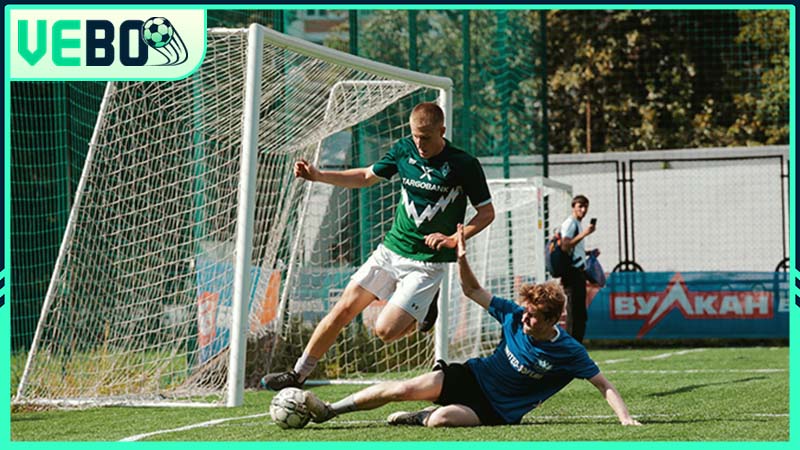
Như vậy có thể thấy rõ ràng rằng Vebo link đã tạo ra một hệ sinh thái bóng đá khép kín. Qua đó tái khẳng định mang đến những giá trị bền vững cho anh em đam mê môn thể thao vua nói chung và bet thủ nói riêng. Sự xuất hiện của website tạo ra một tiêu chuẩn mới về cách xem bóng đá trực tiếp hôm nay trên mạng tại Việt Nam nói riêng và khu vực nói chung.
Định hướng phát triển của trang xem bóng đá trực tuyến Về Bờ TV
Để tối ưu nguồn lực, trong giai đoạn đầu tiên VeboTV chỉ đang tập trung phát triển mảng bóng đá. Tuy nhiên trong tương lai gần, nền tảng sẽ bổ sung thêm một vài môn thể thao được yêu thích khác như bóng rổ, E-sports, bida, tennis. Lịch thi đấu, link xem trực tiếp, kết quả trận đấu, top ghi bàn, máy tính dự đoán tỷ số… sẽ liên tục được cập nhật để mang đến cho người dùng những tin tức nóng hổi nhất.
Sự nâng cấp của VeboTV không chỉ được thể hiện qua số lượng mà còn là chất lượng. Hiện tại trong một số trận đấu, các chuyên gia IT của website đã thử nghiệm công nghệ trình chiếu Full HD 4K để tiến đến phổ cập trong năm 2024. Kế hoạch này nằm trong chiến lược mang đến trải nghiệm khác biệt và đẳng cấp cho người dùng tại Việt Nam.
Trong vài năm tới, VeboTV sẽ là đơn vị số 1 ở khu vực về lĩnh vực tin tức và xem trực tiếp bóng đá Vebo. Nền tảng kỳ vọng tạo ra sân chơi xứng tầm cho các anh em đam mê thể thao nói chung. Khi tìm kiếm trang web toàn diện về bóng đá, Về bờ TV là cái tên hiện lên đầu tiên và duy nhất.
Các chuyên mục được chuyên trang truc tiep bong da Vebo TV cung cấp
Dưới đây là những thông tin mà người dùng có thể tìm thấy tại chuyên trang xem bóng đá trực tuyến Về bờ TV.
Lịch thi đấu bóng đá
VeboTV link cung cấp lịch thi đấu bóng đá của tất cả các màn so tài thuộc nhiều sân chơi trên khắp hành tinh. Nổi bật nhất vẫn là 5 giải vô địch quốc gia hàng đầu châu Âu với Ngoại Hạng Anh, La Liga, Serie A, Bundesliga, Ligue 1. Mỗi sân chơi có 10 trận đấu mỗi vòng, 380 cuộc chạm trán mỗi mùa sẽ được tổng hợp đầy đủ và chính xác trước khi gửi đến người dùng.
Tường thuật trực tiếp bóng đá hôm nay Về Bờ TV cũng mang đến các trận cầu rực lửa ở đấu trường châu Âu từ vòng sơ loại đến chung kết. Lưu ý rằng trong mùa giải tới đây, thể thức của Champions League, Europa League sẽ được cải tổ. Do đó để không bỏ lỡ những màn thư hùng đỉnh cao, hãy ghé ngay Ve bo TV để cập nhật lịch thi đấu.
Ngoài giải cấp câu lạc bộ, nền tảng cung mang đến thông tin thời gian diễn ra các sân chơi cấp độ đội tuyển. Nhắc đến đây có lẽ nhiều anh em đã liên tưởng đến những kỳ đại hội sôi động của World Cup, Euro, Nations League, Copa America. Các đấu trường khu vực như Asian Cup, AFF Cup, Sea Games cũng lên sóng đầy đủ, cập nhật chi tiết đến cả trọng tài bắt chính đến sân thi đấu.
Thêm vào đó, nếu bạn là người đam mê bóng cỏ cũng có thể cập nhật lịch đấu sớm nhất tại Vebo TV. Đơn vị cung cấp cả những trận đấu thuộc sân chơi cho lứa trẻ U21, U23 hay trận đấu của nữ. Các loạt trận giao hữu thuộc FIFA days và du đấu hè cũng được đội ngũ liên tục theo sát và gửi đến thông tin mới nhất.
Tỷ lệ bóng đá
Khi đã nắm được thông tin về trận đấu, anh em có thể tham khảo tương quan hai đội dựa trên tỷ lệ bóng đá mà VeboTV cung cấp. Chúng tôi hợp tác với các chuyên trang cung cấp tỷ lệ bóng đá hàng đầu thế giới để mang đến kèo cược có độ chính xác cao nhất. Các cửa đặt về kèo châu Á, tài xỉu, châu Âu, phạt góc, thẻ phạt đều thể hiện đầy đủ và rõ ràng.
Bảng xếp hạng bóng đá
Ngoài bảng tỷ lệ, người dùng cũng có thể nhận định sức mạnh của 2 đội một cách tương đối qua thứ hạng. Chuyên mục bảng xếp hạng bóng đá trên Ve bo TV tổng hợp toàn diện về vị trí, thành tích và hiệu suất các đội bóng trong nhiều giải đấu hàng đầu trên thế giới. Thông qua chuyên mục bảng xếp hạng bóng đá, người hâm mộ có thể dễ dàng theo dõi vị trí của các đội bóng trong giải đấu một cách trực quan.
Thông tin về số trận thắng, hòa, thua, số bàn thắng, và số bàn thua của mỗi đội được cập nhật đầy đủ và kịp thời. Một ưu điểm nữa của tính năng này là khả năng liên kết BXH các giải đấu mà đội bóng mình yêu thích tham gia. Ví dụ chỉ cần gõ một CLB bất kỳ, những đấu trường mà đội bóng đó góp mặt sẽ được đề xuất để bạn tham khảo. Đây chính là một trải nghiệm thú vị và đẳng cấp chỉ có thể tìm thấy tại Vebo TV.
Soi kèo

Nhận định, soi kèo cũng là chuyên mục mà đội ngũ website xem truc tiep bong da Về Bờ TV vô cùng tâm huyết bởi thể hiện được sự khác biệt của mình. Với khẩu hiệu “đồng hành cùng anh em bet thủ về bờ”, đơn vị chỉ có thể làm tốt nếu mang đến những tips sáng mỗi ngày. Tuy nhiên hiệu quả mang lại còn tốt hơn nhiều so với sự kỳ vọng từ người dùng.
Tại đây, anh em sẽ được cung cấp các dự đoán về trận đấu hot nhất diễn ra trong ngày. Đội ngũ chuyên gia sẽ dựa vào kho dữ liệu của Về Bờ TV để tiến hành phân tích, từ đó lọc ra những kèo “thơm” nhất. Đội ngũ chuyên gia cũng có kinh nghiệm nhiều năm thực chiến, nắm rõ được cách các tổng dụ kèo để bắt thóp hiệu quả. Thực tế chứng minh với các giải đấu lớn, xác suất chính xác của mã soi luôn đạt từ 70 – 80%.
Livescore
Để anh em có thể cập nhật tỷ số của trận đấu một cách nhanh chóng và chính xác nhất, Ve Bo TV mang đến chuyên mục Livescore – tỷ số trực tuyến. Giao diện 2 trong 1 gồm tỷ số, tỷ lệ tích hợp mang đến nhiều thông tin chỉ trong một địa chỉ. Đơn vị đảm bảo người dùng chỉ cần nhìn qua những thông số được cung cấp là đã có thể hình dung ra diễn biến và thế trận.
Kết quả bóng đá
Để quản lý gọn và hiệu quả hơn, các trận đấu sau khi kết thúc khoảng ít tiếng đồng hồ sẽ được Vebo TV live tổng hợp và chuyển vào mục kết quả bóng đá. Anh em có thể tra cứu để xem lại tỷ số của tất cả trận đấu đã diễn ra, bất kể khoảng thời gian là vài ngày, vài tháng hay vài năm. Đây được xem là nguồn tư liệu hoàn hảo để bet thủ tham khảo, soi kèo để đặt cược.
Các thông số mà kết quả bóng đá tổng hợp không chỉ gói gọn ở tỷ số hiệp 1, chung cuộc. Đó có thể còn là:
- Tổng số cú sút, số lần trúng đích.
- Số lần việt vị
- Thời lượng kiểm soát bóng
- Số pha tấn công nguy hiểm
- Thông số phạt góc, thẻ phạt.
Qua bộ thông tin này, anh em có thể đo lường hiệu quả thi đấu để có đánh giá xác đáng hơn. Khi chọn kèo, có thể căn cứ vào đó để chọn những đội bóng tấn công ít, dứt điểm không nhiều nhưng hiệu quả hay biết thói quen đá góc, phạm lỗi,…
Top ghi bàn
Bên cạnh những chuyên mục chính, Về Bờ TV còn mang đến cho người dùng bảng xếp hạng Top ghi bàn của các giải đấu. Những năm gần đây, Erling Haaland và Kylian Mbappe đã tạo ra một cuộc đua vua phá lưới mới của bóng đá thế giới tại Anh và Pháp. Ở Bundesliga, Harry Kane cũng đang là người chinh phục những kỷ lục khi liên tục nổ súng. Cuộc đua giày vàng sẽ còn rất hấp dẫn và được phản ánh toàn bộ ở chuyên mục top ghi bàn.
Máy tính dự đoán bóng đá
Liệu bạn có thắc mắc xác suất thắng trận của các đội bóng là bao nhiêu trước khi bóng lăn? Không cần phải tìm đâu xa, hãy truy cập ngay Ve Bo TV để biết được chính xác con số cho kết quả thắng, hòa, thua của mỗi đội. Website liên kết với hệ thống thuật toán AI được Oracle thiết kế, cho kết quả dự đoán cực kỳ chính xác tỷ số các trận đấu.
Qua quá trình chạy thử, có thể tin tưởng về độ chính xác khi sử dụng máy tính dự đoán bóng đá từ 67% trở lên (tương ứng với đúng 2/3). Anh em hoàn toàn có thể tham khảo và nếu trùng khớp với kết quả soi kèo, chắc chắn độ tin cậy sẽ cao hơn gấp bội.
Tin bóng đá
Vebo TV luôn dõi theo nhịp đập bóng đá thế giới và mang đến những thông tin mới nhất cho người dùng. Chuyên mục tin bóng đá là địa chỉ mà bạn nên ghé thăm thường xuyên nếu không muốn lỡ mất các diễn biến nóng hổi của bóng đá trong nước và quốc tế. Đội ngũ săn tin của Ve bo TV có mặt ở khắp mọi nơi, từ các đầu báo nước ngoài, trang chủ câu lạc bộ đến mạng xã hội và đảm bảo 3 yếu tố.
- Chủ đề đa dạng: Tin tức tại Vebo bóng đá xoay quanh mọi khía cạnh của môn thể thao vua như bình luận sau trận, phòng thay đồ đội bóng, tin đồn chuyển nhượng, chuyện hậu trường, phát ngôn của HLV, cầu thủ.
- Thông tin chính xác: thông tin đều được cam kết độ tin cậy cao, kiểm định trước khi xuất bản và nói không với các chiêu trò “giật tít câu like”.
- Cập nhật liên tục: Đội ngũ Vebo tivi hoạt động 24/24h để mang đến những tin tức mới nhất. Mỗi ngày sẽ có rất nhiều đầu tin gửi đến người dùng và hiển thị những sự kiện “hot” nhất ở trang đầu.
Thế mạnh của VeboTV giúp trang web trở nên khác biệt

Sự tin tưởng từ phía người dùng dành cho Vebo TV đến từ chất lượng đơn giản là không thể sao chép.
VeboTV trực tiếp bóng đá nhiều giải đấu
Giá trị cốt lõi của Vebo trực tiếp bóng đá vẫn là cung cấp các đường link xem trực tiếp bóng đá hôm nay cho người dùng. Tại đây anh em có thể chọn theo dõi mọi trận cầu đang diễn ra ở mọi đấu trường và cấp độ khác nhau.
- Ngoại Hạng Anh: xem các cuộc chạm trán đỉnh cao Super Sunday của những ông lớn Man City, Chelsea, Man Utd, Liverpool, Arsenal. Ngoài ra đừng quên những trận Derby London, vùng Merseyside không khoan nhượng vô cùng nảy lửa.
- Serie A: Cuộc đua đến ngôi vị Scudetto cuối mùa có sự góp mặt của 7 đội bóng gồm Inter – AC Milan, Lazio, Napoli, Juventus, Fiorentina, Atalanta.
- La Liga: Bùng nổ với El Clasico thế hệ trẻ của Bellingham, Vinicius, Gavi, Pedri, Yamal.
- Bundesliga: Sự vươn mình của Leverkusen cùng Dortmund tạo ra nhiều thách thức cho Bayern Munich trong hành trình bảo vệ Đĩa bạc.
- Ligue 1: PSG không còn duy trì sức mạnh khi Messi và Neymar ra đi là thời cơ để Lens, Monaco lật đổ?
- Champions League: VeboTV hân hạnh mang đến các trận cầu của giải đấu cao nhất cấp CLB tại châu Âu với những màn đại chiến không thể bỏ lỡ của nhiều ông lớn hàng đầu.
- Toàn bộ các giải đấu cấp đội tuyển World Cup, Euro, Copa America,… được cả thế giới chú ý.
Thêm vào đó Vebo link cũng sở hữu bản quyền phát sóng Saudi Pro League và MLS kể từ mùa giải 2021/2022. Các fan của Lionel Messi và Ronaldo nếu chưa biết truy cập vào website nào để theo dõi thần tượng mình thi đấu hãy lưu ngay địa chỉ trực tiếp bóng đá VeboTV.
Nhiều lựa chọn xem trực tiếp bóng đá cho mỗi trận đấu
Đường truyền internet khi phát sóng xuyên lục địa thường không ổn định, có thể bị sập bất cứ lúc nào. Thấu hiểu nỗi đau của NHM bóng đá khi đang xem thế trận cực kỳ căng thẳng lại bị mất sóng, Vebo TV đã chuẩn bị rất nhiều link phụ để dự phòng. Chúng sẽ được đặt cạnh link gốc để người dùng dễ quan sát chọn lựa với chất lượng không hề thua kém.
Chất lượng hình ảnh, âm thanh đỉnh cao mượt mà không giật lag
Nhắc đến VeboTV mà không khen ngợi về chất lượng hình ảnh và âm thanh của đơn vị là điều rất thiếu sót. Ứng với mỗi đường link, đội ngũ sẽ giới hạn một độ phân giải riêng từ SD, Full HD đến 4K. Tất cả đều đảm bảo cực kỳ sắc nét, âm thanh sống động và nhất là phù hợp với từng màn hình smartphone, laptop khác nhau để có trải nghiệm mượt mà nhất.
Xem bóng đá trực tiếp Về Bờ TV có bình luận tiếng Việt
Tất cả các trận đấu hấp dẫn nhất mỗi tuần sẽ được đội ngũ Vebo TV chọn lựa và được phục vụ thông qua phần góp giọng của các bình luận viên. Sau nhiều năm hoạt động, có lẽ NHM đã quá quen với các “cây hài” nhà Về bờ như BLV Captain, Người Thỏ, Người Nện. Sự thân thiện và “chịu khó” giao lưu đã góp phần tạo ra sự gắn kết của người dùng với nền tảng.
Trước, sau và trong suốt thời gian diễn ra trận đấu, anh em có thể thoải mái chat cũng như tương tác trực tiếp với bình luận viên. Đây chính là cách mà Ve Bo TV thể hiện mình không chỉ là một website xem bong da truc tiep mà còn là người bạn của anh em đam mê trái bóng tròn.
VeboTV không chứa quảng cáo gây khó chịu
Các nền tảng phát truc tiep bong da hom nay đều có một phần lợi nhuận từ các hợp đồng quảng cáo. Đó chính là những banner nhấp nháy mà người dùng vẫn thường thấy khi truy cập vào trang chủ. Tuy nhiên vì nhận được doanh thu lớn, rất nhiều website thậm chí còn tận dụng cả phần hình ảnh của các trận đấu đang diễn ra cho đơn vị tài trợ. Rõ ràng điều này gây ra những trải nghiệm vô cùng tệ bởi người dùng không thể xem toàn bộ trận đấu bị che lấp.
Vebo live hiểu được điều đó cho nên chúng tôi tuyệt đối không gắn các banner quảng cáo vì như thế nó sẽ làm giảm trải nghiệm khi xem trực tiếp của người dùng. Các bạn hoàn toàn có thể thoải mái tận hưởng thế giới bóng đá trực tuyến đỉnh cao mà không bị làm phiền.
Vebo TV cung cấp tin tức nóng hổi trước trận
Không cần phải chuyển tab để biết đội hình ra sân, người dùng có thể tìm thấy ngay khi click vào trận đấu sắp diễn ra. Tin tức về cầu thủ chấn thương, đội hình chính thức, các dự đoán của chuyên gia, trọng tài bắt chính,… đều có đủ. Hiện tại Vebo TV là đơn vị tiên phong mang đến trải nghiệm đầy đủ đến vậy của thị trường.
Tính năng xem lại highlight
Nếu không có thời gian theo dõi trực tiếp, người dùng hoàn toàn có thể xem phần chiếu lại trên website. Tất cả các trận đấu đều có đầy đủ phần phát lại replay 90 phút bóng lăn. Ngoài ra các trận cầu đinh của 5 giải VĐQG châu Âu và nhiều giải đấu lớn khác sẽ được cắt tình huống đáng chú ý nhất. Chỉ cần 5 phút truy cập là anh em đã có thể tóm tắt diễn biến chính, những pha ghi bàn và cứu thua đẹp mắt.
Quy trình truy cập và xem kênh trực tiếp bóng đá VeboTV chi tiết nhất
Để xem bong da Vebo, người dùng không cần phải đăng ký tài khoản để xem bong da nên rất linh hoạt. Chỉ cần thực hiện những bước cơ bản sau là anh em đã có thể tiếp cận với hình ảnh các trận cầu hấp dẫn.
- Bước 1: Mở một trình duyệt web bất kỳ (Google Chrome, Mozilla Firefox, Bing).
- Bước 2: Gõ từ khóa VeboTV, chọn vào đúng địa chỉ của website để truy cập trang chủ.
- Bước 3: Ở giao diện chính, anh em có thể thấy các chuyên mục sắp xếp theo hàng ngang ở thanh chức năng. Chọn vào mục Xem trực tiếp để được chuyển sang giao diện mới.
- Bước 4: Chọn trận đấu mà anh em muốn xem, có thể tùy biến các đường link khác nhau từ SD, Full HD, 4K theo tốc độ đường truyền mạng.
- Bước 5: Xem trận đấu và đừng quên tương tác, chia sẻ cảm xúc trên thanh chat để giúp các trận đấu thêm phần hấp dẫn.
So sánh VeboTV với các website xem bóng đá trực tiếp khác
So với một vài kênh trực tiếp bóng đá khác, VeboTV đều đáp ứng đầy đủ và còn nhỉnh hơn ở nhiều tiêu chí. Sau đây là phần tổng hợp kết quả khảo sát từ người dùng ở các địa chỉ có nhiều lượt truy cập nhất tại Việt Nam.
| Tiêu chí | Vebo TV | Xoivo | Xoilac | Socolive | Cakhia |
| Số lượng bình luận viên | 20 | 15 | 12 | 15 | 13 |
| Các giải đấu phát trực tiếp | Hầu hết giải đấu bóng đá trên thế giới | Hầu hết giải đấu bóng đá trên thế giới | Hầu hết giải đấu bóng đá trên thế giới | Hầu hết giải đấu bóng đá trên thế giới | Các giải đấu lớn nhất ở châu Âu và châu Á. |
| Các chuyên mục chức năng | Đầy đủ | Không có highlight, bảng xếp hạng | Đầy đủ | Không có bảng xếp hạng, tin tức bóng đá, soi kèo | Không có soi kèo, nhận định. |
| Đánh giá tốc độ | Cực nhanh, mượt mà, ít lỗi | Nhanh | Cực nhanh, có thể lag giờ cao điểm | Nhanh, mượt | Nhanh, tương đối mượt mà |
| Đánh giá chất lượng hình ảnh | Cao nhất phân giải 4K | SD, Full HD | Full HD 4K | Full HD | SD, Full HD |
| Điểm hài lòng | 10/10 | 8/10 | 9/10 | 8.5/10 | 9/10 |
Tổng hợp một số kênh xem bóng đá trực tuyến (tructiepbongda) được yêu thích nhất
Ngoài xem bóng đá trực tiếp trên Về Bờ TV, người xem còn có thể lựa chọn những website khá được yêu thích bên dưới để thay đổi nếu có sự cố:
- Xoilac TV (Xôi lạc TV)
- Cakhia TV (Cà Khịa TV)
- Socolive (Socolive TV)
- Xoivo TV (Xôi Vò TV)
- Demnay TV (Đêm nay TV)
- Mitom TV (Mì Tôm TV)
- 90phut TV (90 Phút TV)
- Banthang TV (Bàn Thắng TV)
- Thevang TV (Thẻ Vàng TV)
- Thedo TV (Thẻ Đỏ TV)
- Banhkhuc TV (Bánh Khúc TV)
- Vaoroi TV (Vào Rồi TV)
- K+ (K+ thể thao | K+ phái mạnh)
- VTV (VTV3 | VTV6)
- VTC (VTC1 | VTC7)
- Trực tiếp bóng đá TV (Tructiepbongda TV | Truc tiep bong da TV)
- Rakhoi TV (Ra Khơi TV)
- Saoke TV (Sao Kê TV)
- Suong TV (Sương TV)
- Thuckhuya TV (Thức Khuya TV)
Các câu hỏi thường gặp liên quan đến Vebo TV
Những thắc mắc phổ biến của người dùng khi tìm hiểu về website xem bóng đá trực tuyến Về Bờ TV sẽ được tổng hợp và giải đáp sau đây.
Độ trễ khi xem bóng đá tại Vebo TV ra sao so với trên tivi và các kênh khác?
Khi xem các trận cầu được cả thế giới quan tâm, không ai muốn mình bị spoil và trở thành kẻ tối cổ khi mọi người đều đã ăn mừng dù tình huống chưa kết thúc. Đội ngũ của website hiểu rất rõ điều đó và luôn cải thiện hệ thống đường truyền để rút ngắn độ trễ tối đa. Băng thông luôn được nền tảng mở rộng qua từng chu kỳ để nhận dữ liệu nhanh và không bị gián đoạn.
Theo thống kê, xem trực tiếp trên Vebo live trực tiếp bóng đá đang chậm hơn các kênh K+, FPT khoảng 5 – 10 giây tùy trận đấu. Đây là con số chấp nhận được nếu như nhìn vào những kênh khác như Xoilac TV, Socolive, Cakhia TV vốn có độ trễ từ 20 – 30 giây. Trong tương lai, nền tảng hướng đến việc cung cấp link từ đơn vị nắm bản quyền chính thức để đưa độ trễ về 0.
Tại sao tôi không thể tham gia chat tại VeboTV?
Tranh luận, động viên, điểm danh qua thanh chat đã trở thành một “nét văn hóa” đậm chất Về bờ của nhiều người. Tuy nhiên cần biết rằng website không yêu cầu đăng ký, trong khi việc tham gia trò chuyện cần một tài khoản để đại diện. Do đó người dùng cần phải đăng nhập thông qua tài khoản Google hoặc Facebook để mở tính năng này.
Tôi phải trả phí bao nhiêu để được xem bóng đá trực tuyến tại Vebo TV?
Rất nhiều người sau khi trải nghiệm dịch vụ chất lượng của link trực tiếp bóng đá Vebo đã tìm hiểu về gói cước đăng ký xem hằng tháng. Website xin nhắc lại về tuyên bố là một chuyên trang tin tức tổng hợp, xem bong da truc tuyen hoàn toàn miễn phí. Tất cả công việc mà bạn thực hiện chỉ là search từ khóa Vebo (hoặc các từ khóa: link xem trực tiếp bóng đá, link bong da, link xem bóng đá trực tiếp…) và chọn trận đấu mình muốn theo dõi để trải nghiệm.
Thông tin liên hệ kênh Vebo TV trực tiếp bóng đá
Nếu có nhu cầu liên hệ với VeboTV anh em có thể liên lạc theo các thông tin dưới đây để nhanh chóng nhận được sự giúp đỡ nhé:
- Website: https://schoolofone.org/
- Chịu trách nhiệm: Mạc Thanh Phúc
- Địa chỉ: 861/155 đường Trần Xuân Soạn, phường Tân Hưng, Quận 7, Thành phố Hồ Chí Minh, Việt Nam
- Số điện thoại: 0867332244
- Hộp thư: [email protected]
Tổng kết
Trực tiếp bóng đá VeboTV là nền tảng mang đến rất nhiều sự hài lòng và đang phụng sự hàng triệu người hâm mộ đam mê trái bóng tròn ở Việt Nam. Hãy lựa chọn website Vebo TV để thưởng thức những trận cầu đỉnh cao, những pha bóng đẹp mắt với chất lượng đỉnh cao và hoàn toàn miễn phí.


